


Introduction about Gold Heap Leaching Process
Heap leaching of gold refers to the process of building a heap of low-grade gold ore or flotation tailings on the bottom cushion material and circulating spray through sodium cyanide solution to dissolve gold and silver in the ore to form gold-bearing noble liquid to recover gold.
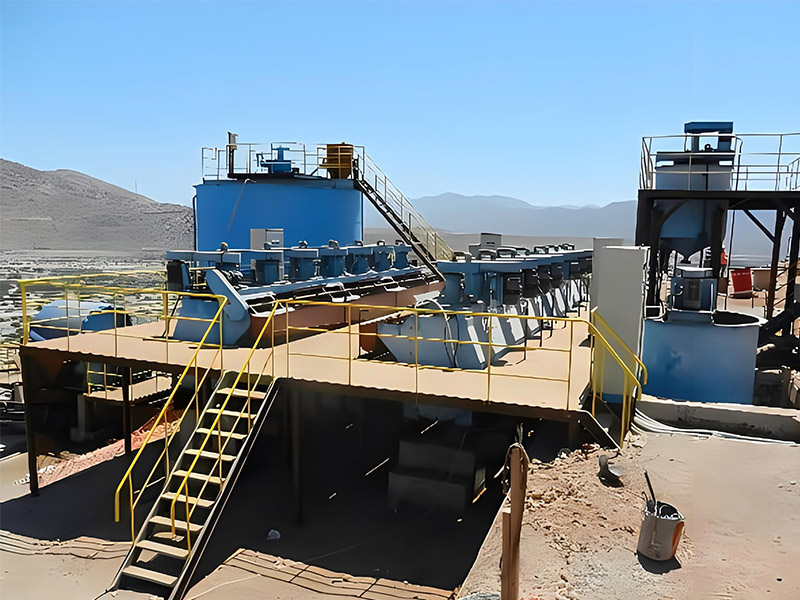
Heap leaching method for gold extraction has the advantages of simple process, easy operation, less equipment, less power consumption, less investment, quick effect and low production cost. Heap leaching is used to treat low grade ores of 0.5-3g/t, and the recovery rate of gold can reach 50-80%, or even 90%. Therefore, heap leaching enables the recovery of many small gold mines, low-grade ores, tailings or waste rocks that were previously considered to be of no economic value. Heap leaching is considered to be the most economical method for gold extraction.
Process of Gold Heap Leaching Process
The process of heap leaching gold extraction generally includes the following steps:
1. Heap leaching:
the gold ore is piled in the heap leaching field, and then soaked with cyanide solution, so that the gold ion is dissolved in the solution. This process takes time, usually weeks or even months.
2. Adsorption:
The leached solution is adsorbed through the adsorption resin and other materials to adsorb the gold ions in it. This process takes time, usually from a few days to a few weeks.
3. Desorption:
the gold ion in the adsorbed resin and other materials is desorbed so that it is re-dissolved in the solution.
4. Electrolysis or chemical reactio
the gold ion in the solution is reduced to metal gold by electrolysis or chemical reaction, so as to obtain the final metal product.
 +8619138015336